Is the Life in the UK Test Actually Hard?
Updated
The Life in the UK Test is harder than most people expect and easier than most people fear. Published figures put first-attempt pass rates around 70 to 78 percent, and the candidates who fail usually underestimated how much detail the 24 questions demand rather than finding the material beyond them.
What the pass rates tell you
No official per-year pass rate is published on gov.uk, but third-party aggregations of Home Office figures put first-attempt pass rates around 70 to 78 percent. Read that both ways. Roughly three in four candidates pass first time, and roughly one in four pays the £50 fee again.
The people in the second group are rarely the ones who could not learn the material. They are the ones who read the handbook, felt confident, and never checked that confidence against a timed set of 24 questions.
Why it feels hard: breadth, not depth
Nothing in the test requires analysis or argument. What it requires is recall across a wide field. The official handbook runs to ten chapters covering values, history from the Stone Age to the present, government, law, and everyday life, and any of the 24 questions can come from any part of it.
That breadth is the real difficulty. You can know the Tudors cold and still lose three marks to questions about the devolved administrations, jury service and the year women won the vote on equal terms with men.
The question types that trip people up
Most questions are straightforward once you know the fact. A few formats cost marks even when you do.
- Select-two questions, where picking one correct answer and one wrong one scores zero
- True or false statements that are almost right, such as the correct event with the wrong century
- Questions with two similar names or two similar dates among the options
- Numbers: the size of a body, the length of a term, the age for a right or duty
- Questions from the short chapters that candidates assume are less likely to appear
How to beat the average
The test is 24 questions in 45 minutes with 18 needed to pass, so you have six marks to give away. Everyone who passes with room to spare did the same two things: covered every chapter, then practised under the real time limit until their score sat above the line.
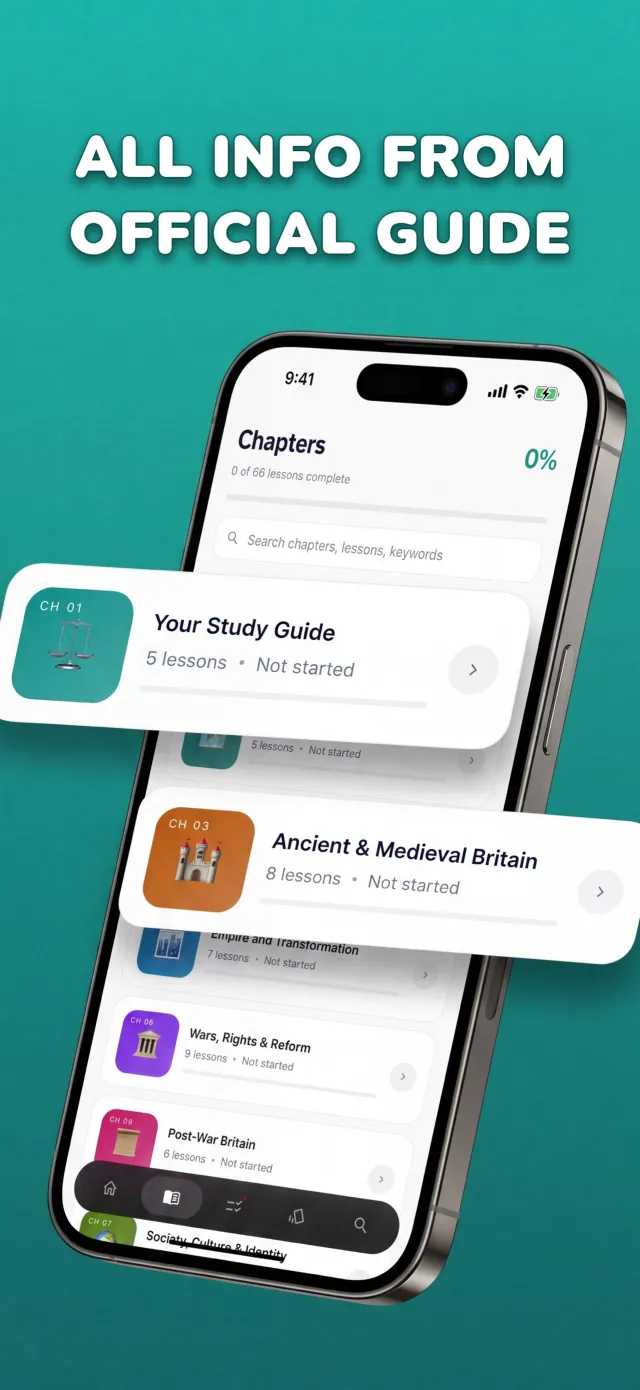
The Life in the UK Test 2026 Pro app is built for that second part. It has 550 practice questions and 22 timed mock tests of 24 questions, each with a 45-minute clock and instant feedback that shows the correct answer and why. The first four chapters and two mock tests are free, which is enough to find out where you stand.
Who finds it hardest
Three groups struggle more than the rest. Candidates whose first language is not English lose time to unfamiliar words in the questions. Candidates who study only from the book have no way of knowing what they have retained. And candidates who cram in the final few days remember the last chapter they read and little else.
Each of those has a fix. Read the lesson content in English rather than a translation, so the wording on the day is familiar. Test yourself as you go. Spread the study over weeks, not days.
A realistic difficulty rating
If you have sat the UK driving theory test, the Life in the UK Test feels similar: multiple choice, a fixed body of material, a timer, and a pass mark that leaves little room for guessing. It is a memory test with a wide syllabus, not an intelligence test.
For someone with a few weeks to spare and a method for checking recall, it is a very passable exam. For someone who reads the book once and books the next day, it is a coin toss.
How to tell if you are ready
Readiness is a number, not a feeling. Use these checks before you pay the £50.
- Three consecutive timed mock tests at 21 or more out of 24
- No single chapter where you score below the pass mark on its own questions
- Your wrong answers from the last week all sit in a flashcard deck you have cleared
- You can finish a 24-question mock in well under 45 minutes without rushing
Frequently asked questions
Which topic causes the most failed questions?
No official breakdown by topic is published. Candidates most often report losing marks on the history chapters, where dates, monarchs, battles and Acts of Parliament need memorising rather than understanding, and on select-two questions in any chapter. Timed mock tests show you your own weak chapter, which is the only one that matters.
Is it harder for non-native English speakers?
It can be, mostly because of time rather than content. The questions are written in plain English and every answer is multiple choice, but an unfamiliar word in a question costs seconds and confidence. Reading the lesson material in English, using a glossary of the handbook's terms and practising under the 45-minute limit closes most of that gap.
Related guides
How to Pass the Life in the UK Test First Time
The study plan, mock-test strategy and test-day tips that get most candidates past 18 out of 24 on their first attempt, without a second £50 fee.
Read guideLife in the UK Test: Pass Mark & Question Count 2026
24 questions, 45 minutes, 75% pass mark: how the scoring works, what a passing attempt looks like, and where the six spare marks usually go.
Read guideWhat Happens If You Fail the Life in the UK Test
Nothing happens to your visa or status. You wait at least 7 days, pay another £50 and resit. How to make the second attempt the last one.
Read guide